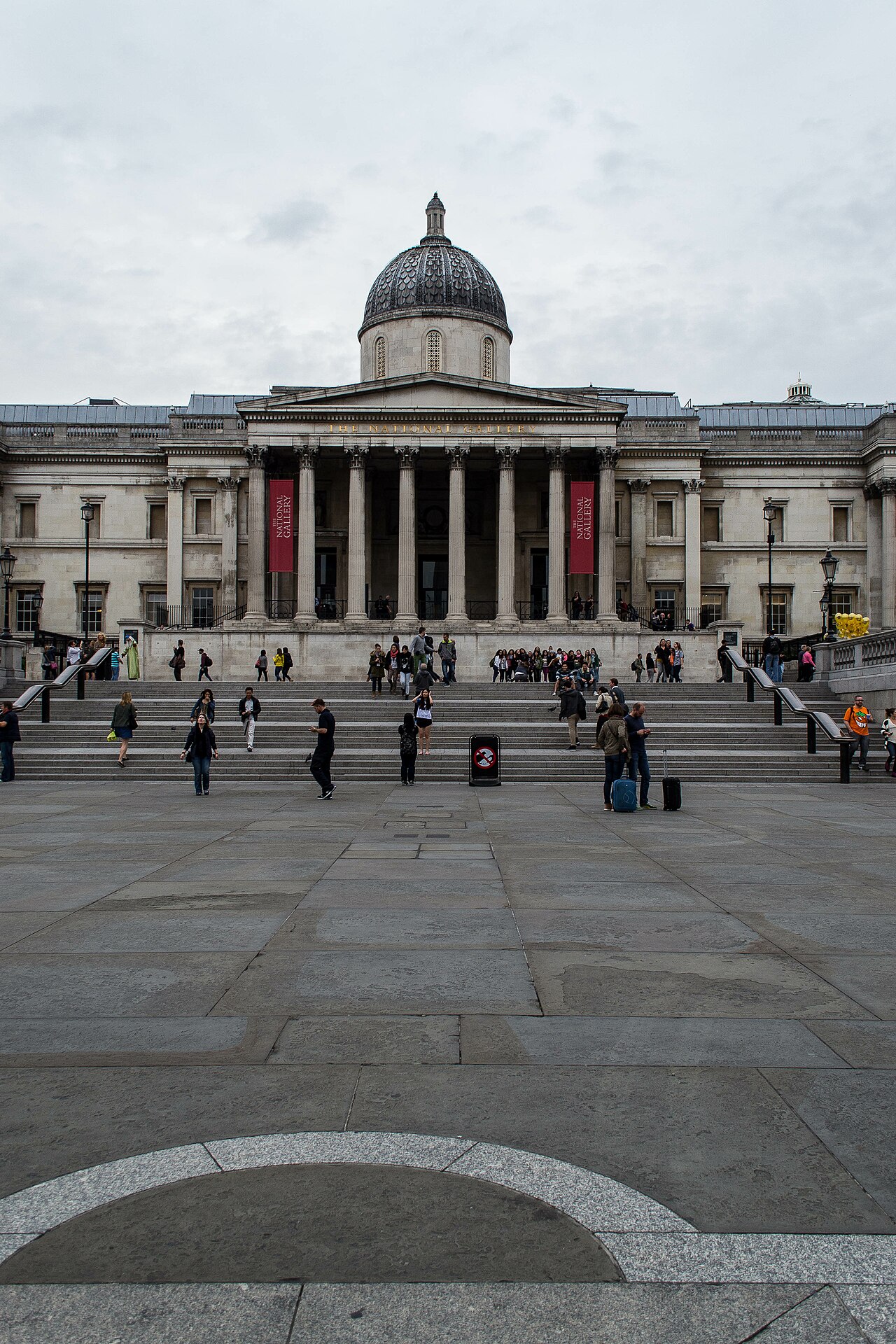
About the Museum
The National Gallery is an art museum on the north side of Trafalgar Square in London. Founded in 1824, it houses a collection of over 2,300 paintings dating from the mid-13th century to 1900, making it one of the most visited art museums in the world.
The National Gallery's collection belongs to the British public and admission is free. The gallery holds one of the world's greatest collections of Western European painting. Its relatively small but exceptionally high-quality collection includes major works by virtually every great European painter from Giotto to Cézanne. The gallery's strength lies in its breadth — it offers a comprehensive overview of the development of Western European painting from 1250 to 1900, with particular strengths in Italian Renaissance, Dutch Golden Age, and French Impressionist painting.
Notable Collections
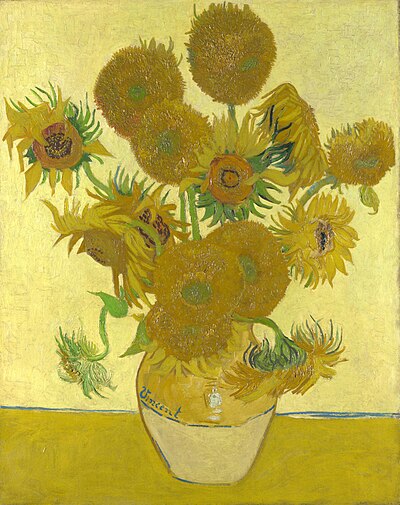
Sunflowers
Vincent van Gogh, 1888
One of the most famous paintings in the world, this vibrant still life of sunflowers was painted in Arles as decoration for Paul Gauguin's room. Van Gogh's bold use of yellow became a signature of his distinctive style.
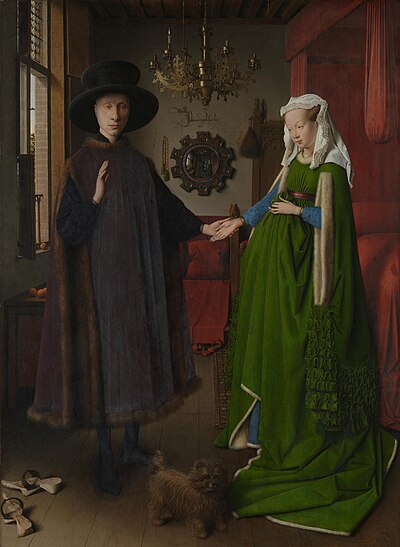
The Arnolfini Portrait
Jan van Eyck, 1434
This masterpiece of Early Netherlandish painting shows a wealthy couple in a richly furnished room. The convex mirror on the back wall and the painter's inscription above it have made this one of the most analyzed paintings in art history.
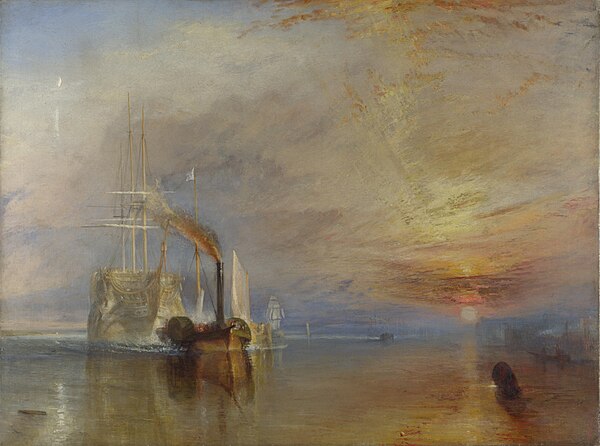
The Fighting Temeraire
J.M.W. Turner, 1839
Turner's masterpiece shows the old warship HMS Temeraire being towed to be broken up, set against a blazing sunset. It symbolizes the passing of the age of sail and was voted Britain's greatest painting.