About the Museum
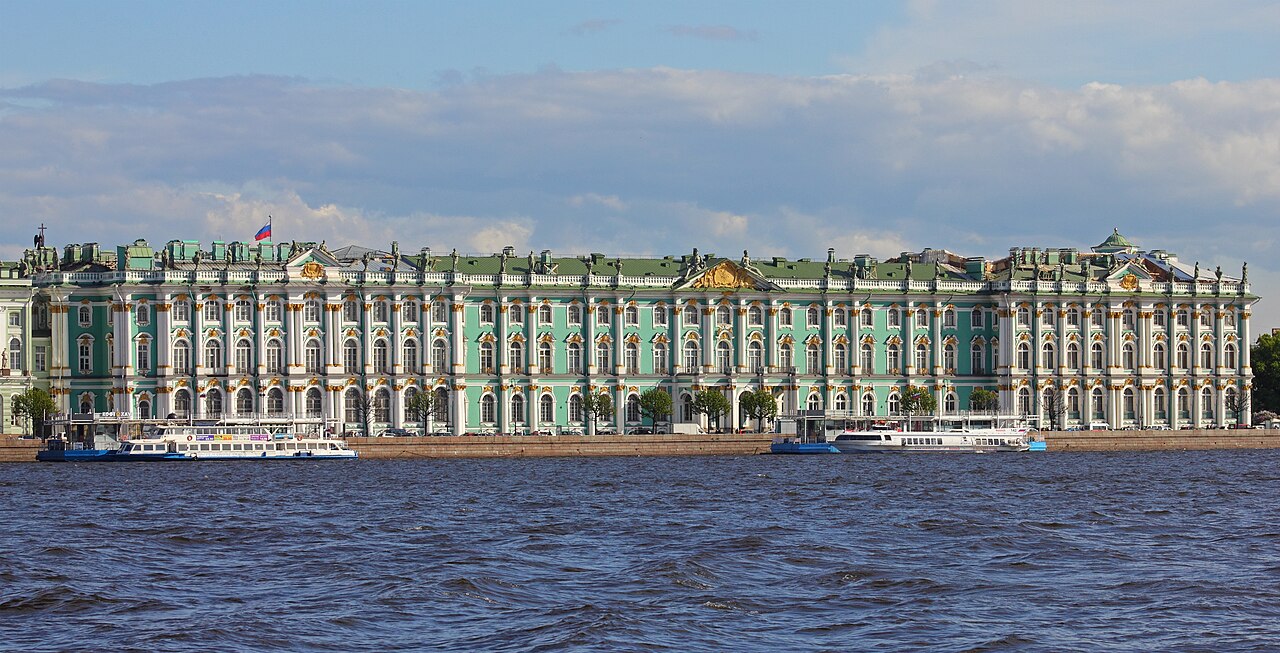
The State Hermitage Museum is the second-largest art museum in the world. Founded in 1764 by Empress Catherine the Great, it occupies a complex of six historic buildings along the Neva River embankment, including the magnificent Winter Palace.
The Hermitage's collection of over three million items includes the largest collection of paintings in the world. The museum's origins date to Catherine the Great's private collection, which she began assembling in 1764. The Winter Palace, the former residence of Russian emperors, serves as the museum's main building and is itself a masterpiece of Baroque architecture. Walking through the Hermitage's 1,057 rooms and along its 24 kilometers of galleries is an overwhelming experience that encompasses art from prehistoric times to the present day.
Notable Collections
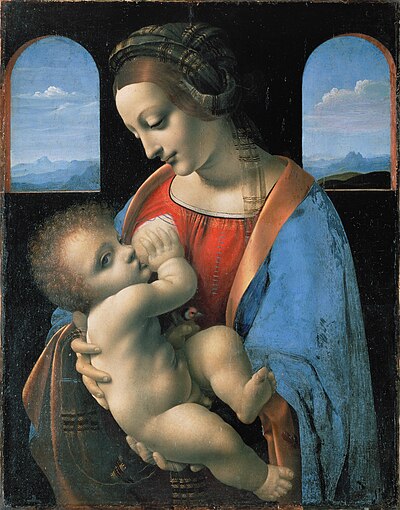
Madonna Litta
Leonardo da Vinci, c. 1490
This tender depiction of the Virgin Mary nursing the infant Jesus showcases Leonardo's mastery of soft modeling and atmospheric perspective.
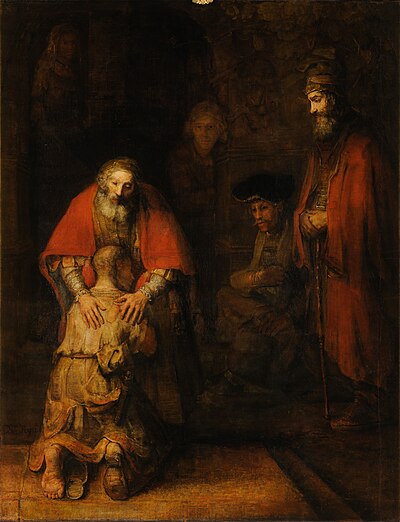
The Return of the Prodigal Son
Rembrandt van Rijn, c. 1668
One of Rembrandt's final works, this deeply moving painting depicts the biblical parable of forgiveness. The tender embrace between father and son is one of the most emotionally powerful images in Western art.
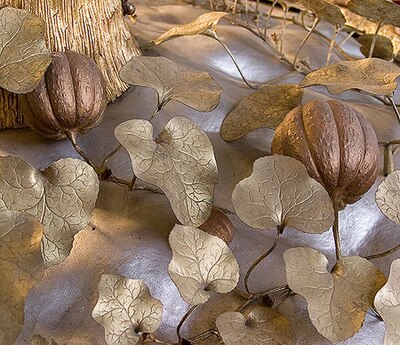
The Peacock Clock
James Cox, c. 1770
An extraordinary large automaton featuring a gilded peacock, rooster, and owl. When wound, the peacock spreads its tail, the rooster crows, and the owl blinks — a magnificent feat of 18th-century engineering.