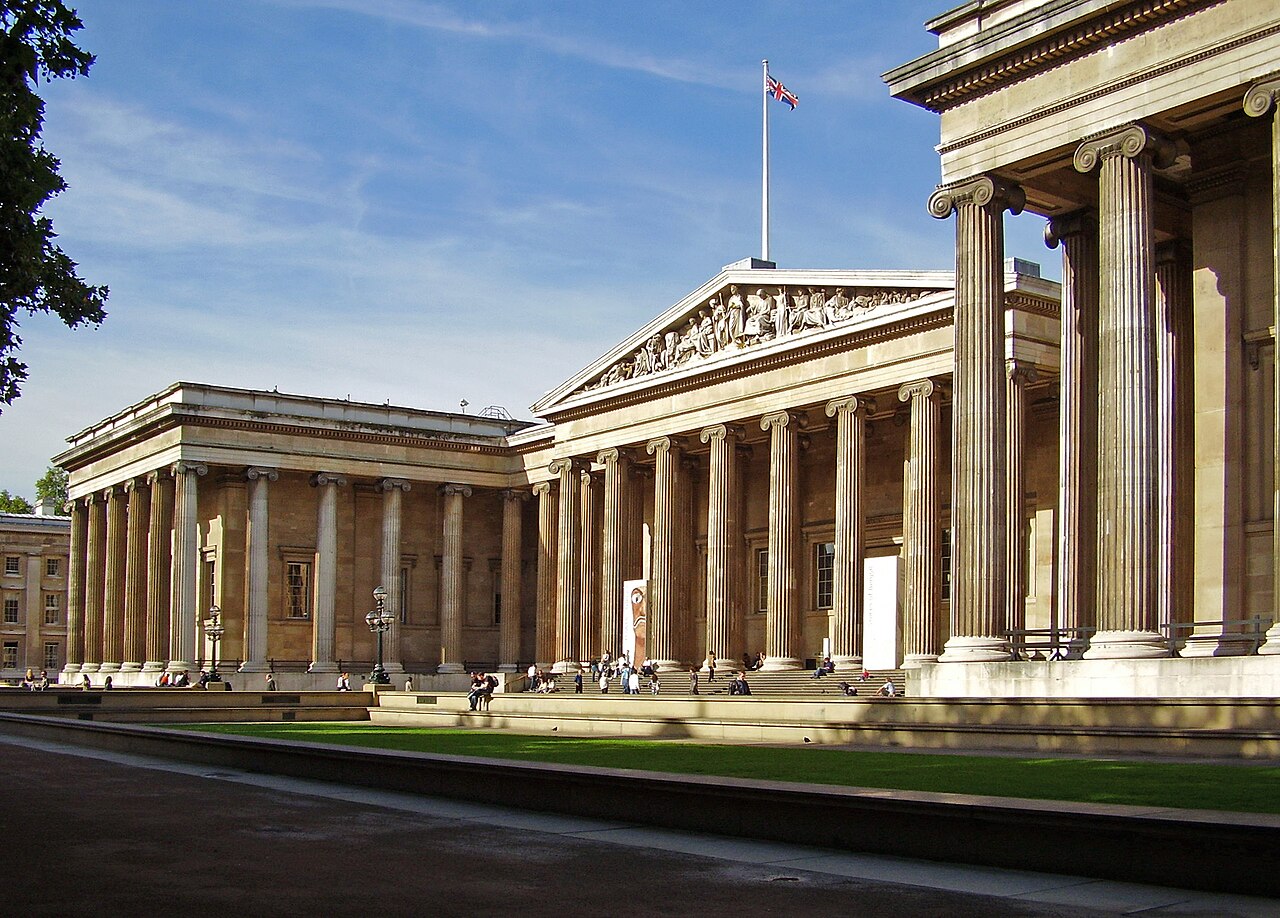
About the Museum
The British Museum is a public museum dedicated to human history, art, and culture. It was established in 1753 and is the first public national museum in the world. Its permanent collection of some eight million works is among the largest and most comprehensive in existence.
The British Museum's collection spans over two million years of human history and culture. The museum was founded when physician and scientist Sir Hans Sloane bequeathed his collection of 71,000 objects to the nation. The Great Court, covered by a spectacular glass and steel roof designed by Norman Foster, is the largest covered public square in Europe. The museum's collections document the story of human culture from its beginnings to the present, with objects from every continent and ocean.
Notable Collections
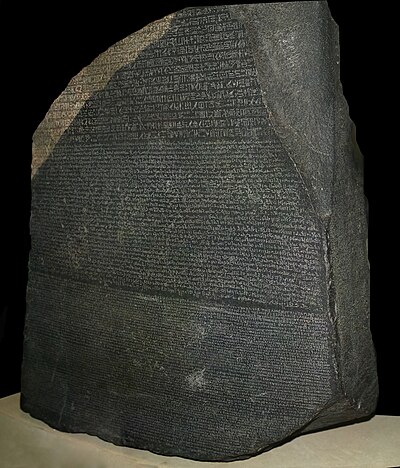
Rosetta Stone
Ancient Egyptian, 196 BC
This granodiorite stele inscribed with a decree in three scripts — hieroglyphic, demotic, and Greek — was the key to deciphering Egyptian hieroglyphs. It is one of the most visited objects in any museum.
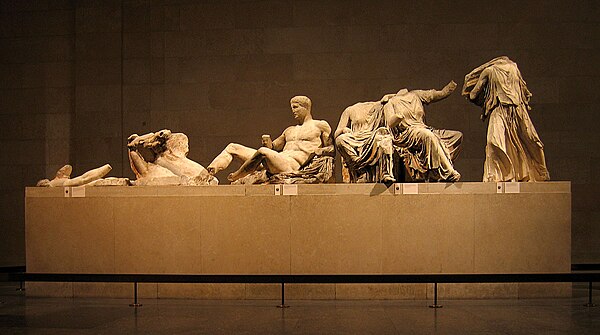
Parthenon Sculptures
Phidias and workshop, c. 447–432 BC
These classical Greek marble sculptures once decorated the Parthenon temple on the Athenian Acropolis. They represent some of the finest surviving examples of classical Greek art.
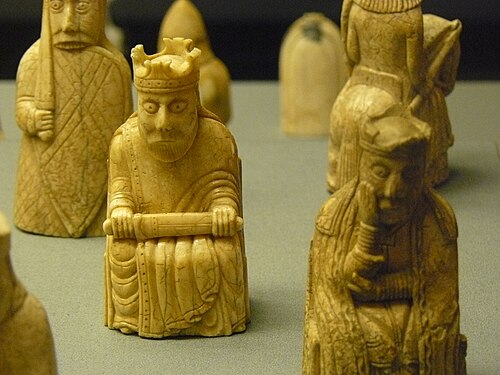
Lewis Chessmen
Unknown (Norse), c. 1150–1200
These medieval chess pieces carved from walrus ivory and whale tooth were found on the Isle of Lewis, Scotland. Their expressive faces and detailed carving make them beloved medieval treasures.